
Louis Armstrong, affectionately known as "Satchmo" or "Pops," was a colossal figure in the world of jazz whose influence transcended the genre. Born on August 4, 1901, in a rough New Orleans neighborhood known as the Battlefield, Armstrong’s early life was marred by poverty. It was in these challenging circumstances that the seeds of his future greatness were sown. Taken in by a Jewish family who recognized his struggles and offered him opportunities, Armstrong found solace and direction through music. His fate changed dramatically when he was placed in the New Orleans Home for Colored Waifs after a juvenile mishap. There, under the guidance of Professor Peter Davis, Armstrong learned to play the cornet, which set him on an extraordinary musical journey.
Armstrong's burgeoning talent soon caught the attention of local musicians, and he began his career playing in riverboat bands, absorbing diverse musical styles that would later shape his unique sound. His big break came when he was invited to join Joe "King" Oliver's Creole Jazz Band in Chicago, where he quickly made a name for himself as a virtuoso. His groundbreaking recordings with this ensemble in the early 1920s attracted a national audience, elevating both his own profile and that of jazz.
In 1924, Armstrong joined Fletcher Henderson's Orchestra in New York City, bringing with him a powerful sense of swing that transformed the band's dynamic. This stint marked a turning point both for Armstrong and for jazz, as his innovative approach to soloing and his charismatic vocals began shaping the evolution of the genre. His iconic recordings such as "Heebie Jeebies" and "West End Blues" would later be hailed as seminal works that showcased his distinctive improvisational prowess and emotive vocal style.
“Jazz’s heartbeat, breaking boundaries with every soulful note”
— Louis ArmstrongListen Now
Early Life
Louis Armstrong was born on August 4, 1901, in a poor neighborhood of New Orleans known as "The Battlefield." His upbringing was characterized by significant economic hardship and instability. His father, William Armstrong, left the family shortly after Louis's birth, leaving him and his younger sister, Beatrice, in the care of their mother, Mary Albert, who worked as a laundress. Despite the challenges of his early environment, Armstrong found solace in music from a young age.
Fun Facts
Louis Armstrong was not only a legendary jazz musician but also an accomplished painter, creating a collection of artworks that received positive reviews from critics.
Armstrong's iconic gravelly voice and unique trumpet style made him one of the first African American entertainers to gain widespread fame, helping to break down racial barriers in the music industry.
He had a pet dog named Stinker who was famous in his own right, even appearing with Armstrong during recording sessions.
Despite being one of the most celebrated musicians of his time, Armstrong faced numerous challenges and discrimination throughout his career, yet he remained an ambassador for jazz music worldwide.
He was a passionate advocate for civil rights, famously using his platform to speak out against racial injustice during a time when many other artists remained silent.
Timeline
Born on August 4 in New Orleans, Louisiana
Sent to a home for juvenile delinquents, where he learned to play cornet
Joined the King Oliver Creole Jazz Band and became known as a cornet player
Recorded his first major sessions with the New Orleans Rhythm Kings
Released the iconic recording of 'West End Blues'
Legendary Moments
Early Life
Louis Daniel Armstrong, nicknamed "Satchmo", "Satch", and "Pops", was an American jazz and blues trumpeter and vocalist.
Creative Peak
Armstrong received numerous accolades including the Grammy Award for Best Male Vocal Performance for Hello, Dolly!
Legacy
His influence crossed musical genres, with inductions into the DownBeat Jazz Hall of Fame, the Rock and Roll Hall of Fame, and the National Rhythm & Blues Hall of Fame, among others.
Essential Albums
View All
Satchmo at Pasadena
1951
Louis Armstrong Plays W.C. Handy
1954Ambassador Satch
1955
Ella and Louis
1956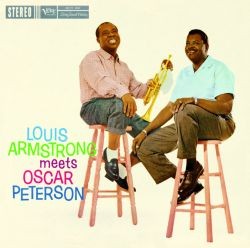
Louis Armstrong Meets Oscar Peterson
1957
Louis and the Angels
1957
Ella and Louis Again
1957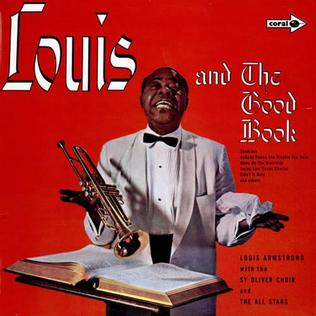
Louis and the Good Book
1958
Porgy and Bess
1958
Louis Under the Stars
1958Own a Piece of Louis Armstrong's Legacy
Original pressings, anniversary editions & reissues
Shop VinylEvery era of Louis Armstrong — box sets & anthologies
Shop Box SetsBiographies & deep dives into Louis Armstrong's life
Shop BooksVintage prints & reproduction art from Louis Armstrong's era
Shop PostersLouis Armstrong apparel — tees, hoodies & accessories
Shop MerchHear Louis Armstrong the way it was meant to be heard
Explore TurntablesDon't own a record player?
Experience vinyl the way it was meant to be heard. We've curated the best turntables at every price point.
Related Artists


Fans of Louis Armstrong Also Love

John Coltrane
Elevating jazz to spiritual heights, Coltrane's sound transcends time and space


Nina Simone
Defying boundaries, Nina Simone's voice ignited a revolution in music.
FallenArtists participates in the Amazon Associates Program and other affiliate programs. We may earn a commission from qualifying purchases at no extra cost to you.